Net zero & decarbonisation
The gradual reduction of CO₂ emissions across production processes, energy consumption, transport and the entire supply chain delivers significant financial benefits while reducing environmental impact. For organisations that rely on fossil fuels, investing in decarbonisation and net-zero strategies is also essential to comply with increasingly stringent regulations and remain competitive in a rapidly changing market. However, this is a complex and challenging undertaking. Fragmented data, varying standards and limited internal capacity can make it difficult to translate climate ambitions into measurable results. Encon helps your organisation understand, reduce and manage its CO₂ emissions. We identify effective reduction measures and translate them into a realistic roadmap aligned with international standards such as the Science Based Targets initiative (SBTi).
External pressure, internal ambition – but no clear direction
From increasing demands for transparency from customers and stakeholders to compliance requirements such as the CSRD and sector-specific standards, organisations today face growing pressure to deliver on their sustainability ambitions. At the same time, internal drivers such as cost reduction through energy efficiency and the need to remain competitive in a rapidly evolving energy landscape further reinforce the urgency to act.
Yet many organisations face the same challenge: where to start and how to turn ambition into a structured and effective decarbonisation strategy.
This challenge is reflected in practice. Many organisations have already calculated a baseline measurement or carbon footprint, but lack a concrete and actionable plan to achieve meaningful reductions. Teams often have limited time and resources to identify priorities, evaluate opportunities and implement measures that are both financially viable and compliant with evolving legislation. The complexity of Scope 3 emissions, combined with the involvement of suppliers and value chain partners, adds another layer of difficulty. Uncertainty regarding investment costs, payback periods and long-term impact can further delay decision-making.
Encon provides organisations with the clarity, structure and expertise needed to transform sustainability ambitions into measurable results through a realistic and achievable emissions reduction roadmap.
We empower your business
As one of the first SBTi-accredited consultancies worldwide, Encon combines extensive knowledge of Science Based Targets initiative (SBTi) requirements and methodologies with more than 23 years of hands-on experience in carbon reduction and profit optimisation.
The result is a practical and tailored approach that goes beyond compliance. We develop reduction plans that not only align with international standards, but also reflect the operational reality of your organisation.
Every potential measure is assessed for technical feasibility and site-specific applicability. Not every roof is suitable for solar panels, and electrification is only effective when processes and infrastructure allow for it. At the same time, we evaluate the carbon reduction potential of each measure in relation to your near-term and long-term climate objectives.
Our economic analysis provides a clear understanding of the financial implications of every decision. We compare capital expenditure, operational costs, payback periods, quick wins and long-term investments, enabling you to make informed choices based on both financial and environmental impact.
Through workshops, stakeholder interviews and collaborative sessions, we ensure that reduction measures are aligned with your strategic objectives, whether these involve compliance, Ecovadis performance, reputation management or broader sustainability ambitions. This process creates internal support and facilitates successful implementation.
Our objective is to equip your organisation with the knowledge, structure and tools required to continue reducing emissions independently and confidently for years to come.
From insight to reduction and credible communication
Every successful decarbonisation strategy begins with a clear understanding of current emissions. Our methodology starts by accurately quantifying the carbon footprint of your organisation, building or product in accordance with the GHG Protocol. Based on this insight, we identify reduction opportunities across Scopes 1, 2 and 3 and translate them into a practical roadmap with clear priorities, timelines and expected impact. The roadmap is aligned with recognised international frameworks and climate targets, ensuring a credible and structured path towards emissions reduction. Through workshops and visual planning tools, we engage key stakeholders, build internal support and accelerate implementation. This ensures that strategy is rapidly translated into tangible action and measurable results.
What do we offer?
- CO₂ Footprint Assessment: We calculate the carbon footprint of your organisation, a specific product, service or building, providing a reliable baseline for future action.
- CO₂ Reduction Plan: We identify, assess and prioritise measures and investments that can structurally reduce or eliminate emissions throughout your operations and value chain.
- Roadmap to reduction: We develop a clear implementation roadmap that outlines actions, milestones and investment decisions over time, providing a structured route towards your sustainability objectives.
With this integrated approach, your organisation builds a solid foundation for effective climate action, credible sustainability communication and long-term value creation.
Financial gains, CO₂ reduction and a stronger reputation
Decarbonisation delivers both environmental and financial benefits. By gaining insight into carbon emissions and energy consumption, organisations can identify inefficiencies that often result in significant cost savings. For example, Facil discovered through its carbon footprint assessment that gas consumption at one of its sites was unnecessarily high because heating systems continued operating during weekends. A simple operational adjustment resulted in annual savings of more than €100,000. Similarly, Group De Cloedt was able to secure a major contract worth approximately €5 million by demonstrating transparency regarding its carbon performance and compliance with the CO₂ Performance Ladder.
Beyond direct financial gains, emissions reductions and improved energy efficiency contribute to achieving sustainability targets while strengthening reputation and credibility among customers, investors and other stakeholders. In this way, sustainability becomes a driver of both business performance and long-term value creation.
Discover our zero-emission and decarbonisation solutions
-600x300.png?2026-04-15T13:56:43.832Z)
Carbon footprint (organisational level)
A carbon footprint analysis provides a comprehensive overview of your CO₂ emissions, including Scope 1, 2 and 3 emissions. This allows you to identify the areas with the greatest impact and focus your efforts on reducing them.
Carbon footprint (product level)
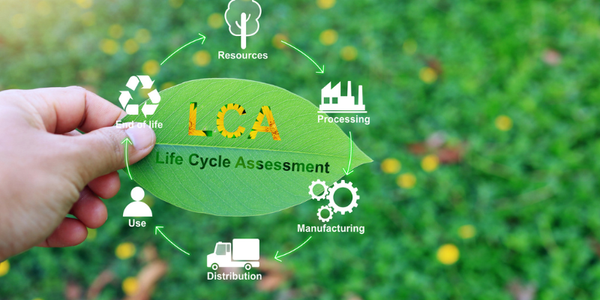
A product carbon footprint analysis provides a detailed overview of your product’s CO₂ emissions using a life cycle assessment (LCA). This allows you to identify its impact in terms of raw materials, production, transport and use.

Net zero assets
Encon supports property companies with CRREM & EDGE initiatives: from baseline assessments to action plans for Net Zero, CO₂ reduction and sustainable value creation.

Carbon strategy & reduction
Encon develops (SBTi-certified) CO₂ roadmaps: from carbon footprint assessment to validation, including practical reduction measures and strategic support.
Sustainability transition management
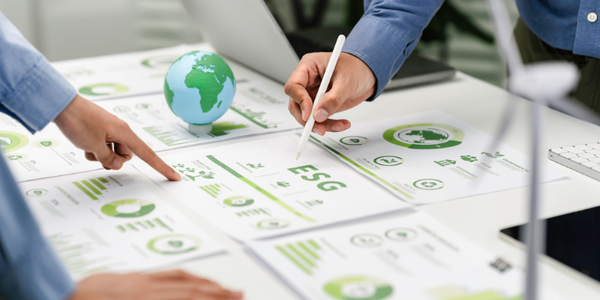
Encon’s transition management provides companies with temporary support and expertise to efficiently implement sustainability and energy-related goals, without putting pressure on day-to-day operations.
Customers with a sustainable revenue model:















Discover our high-impact case studies
A comprehensive approach to sustainability. By combining sustainability with financial and technical expertise, our experts identify opportunities that make a real difference. We do this by creating financially sound, high-impact projects – enabling clients to generate profits whilst simultaneously building a more sustainable business.